Exploring Mathura
History of Mathura
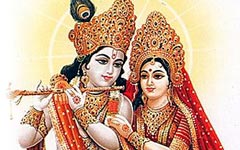
Mathura City in Uttar Pradesh is a place greatly revered by the Hindu pilgrims and it is an indispensable stopover on the itinerary of a tourist who is on his Uttar Pradesh tour. Mathura is most reputed as the birthplace of Lord Krishna and is also called as the Krishnajanmabhoomi. Ma thura is a wonderful place for exploring the mythological associations the city has, especially with the events related in the Mahabharata. One of the most important tourist attractions in Mathura is the Krishna Janambhoomi temple. Located in the heart of the city, it is believed to have been built on the place where Lord Krishna was born. There is a stone slab marking the exact site of his birth which fascinates the believers.
Sightseeing In Mathura
Believed to be the place where Lord Krishna was born 5,000 years ago in the prison of his maternal uncle King Kansa, the site now houses a beautiful and magnificent Krishna temple. The museum inside the temple exhibits many old statues that have been excavated here and in the surrounding areas.
Built by Nabir Khan in 1661, the mosque looks quite impressive with its four delicate minarets and the traces of the bright colored plaster mosaic that had once graced its panels.
The sacred spot on the bank of River Yamuna has an interesting legend attached to it. It is said that it was here that Lord Krishna rested after the fierce fight with his uncle Kansa, who was a cruel king and had not only abused his power and crushed his citizens but had also imprisoned his own father and had usurped his rights as the king.
Situated near River Yamina, Dwarkadhish Temple was built in 1814. It is the most popular temple of the city and looks all the more attractive when it is ostentatiously decorated on religious and festive occasions such as Holi, Janmashtami and Diwali. It is profusely carved and painted and has splendid architectural traits. Since long, followers of Vallabhacharya have managed this temple.
Famous Temples in Mathura
This beautiful temple was established in 1975 by His Divine Grace A.c. Bhaktivedanta Swami Prabhupada, founeracarya of the Interational Society for Krishna Consciousness (ISKON) and has now become Vrindavan's most popular temple and has one of the highest standards of Deity worship and cleanliness. Hare Krishna devotees from around the world can be seen here throughout they year, bringing a truly international flavour to this ancient holy city.
This famous temple was established by Srila Sanatana Gosvami and was the first temple to be built in Vrindavana, which at that time was just a forest. The original Deity of Madana-mohana was taken to Karauli in Rajasthan for safety during the attack onVrindavana by the soldiers of the fanatical Muslim Emperor, Aurangzeb.
This temple was built by the Maharaja of Jaipur, Sawai Madhav, in 1917 after thirty years of hard labour. It is one of Vrindavan'smost opulent and grandiose temples. The fine hand carved sandstone is of unparalleled workmanship, the huge pillars that hold up the roof are each carved from one solid rock, and the intricately fashioned marble on the alter is reminiscent of the Mughal period. The Maharaja financed the railway line that connects Vrindavana with Mathura, just for the purpose of hauling the huge pieces of sandstone used in the temple construction. The Deities worshiped here are Sri Sri Radha-Madhava, Ananda-bihari and Hansa-gopala.
Another very popular temple of Vrindavana whih was founded by Hit Harivamsa Gosvami, who started the Radha Vallabha sect emphasizing devotion to Radharani. In this temple, there is no deity of Radharani, but a crown has been placed next to Krishna to signify Her presence. The original temple of Radha Vallabha was destroyed by the Muslims in 1670 and a new temple was built at the side of the old one.
This is the sacred place of the rasa dance and also where Lord Krishna offered service to Radharani by decorating Her hair with flowers, as well as massaging and painting Her lotus feet. Radha and Krishna would sometimes spend the night here, dancing with the gopis and enjoying various transcendental pastimes. There is also a small temple dedicated to Radha and Krishna's pastimes called Rang Mahal. Near the entrance to this garden is a kunda created by Lord Krishna. He pushed His foot into the ground just to please Lalitha devi when she was feeling thirsty and wanted to drink water.
This is one of the most important temples in Vrindavana. The original Deity was hand carved by Rupa Gosvami and given as a gift to his beloved disciple, Jiva Gosvami, who later built a temple here. The Deity now being worshipped is the pratibhu-murti (replica) and is considered nondifferent from the original Deity. Formerly this spot was in the middle of Seva-kunja and it was the bhajana place of Rupa Gosvami. One can have darsana of the sacred govardhana-sila by asking the pujari and giving a small donation.
This is the famous temple of Gopala Bhatta Gosvami. Radharamana means "one who gives pleasure to Radha", and is one of the many names of Lord Krishna. The seva puja of Radharamana was established in 1542, after the Deity self-manifested from a saligram-sila. Also kept iin this temple is the wooden sitting place (hoki) and shawl (chaddar) or Lord Chaitanya, that He gave as a gift to Gopala Bhatta Gosvami. There is no deity of Radharani in this temple, but a crown is kept next to Krishna signifying Her presence
DWARKADISH TEMPLE
The Dwarkadish Temple, built in 1814, is a popular temple in the center of town. This is the most visited temple in the center of town. This is the most visited temple in Mathura. This temple is managed by followers of Vallabhacarya. Once you enter this temple from the street, it is fairly interesting architechually and there is a lot of activity inside. It is located in the eastern part of Mathura, not far from the Yamuna River.
Places Around Mathura For Nature Lover
* Kelva Dev Sanctuary, Bharatpur [35 KM West] * Keetham Bird Sanctuary, Keetham, NH-2 [35 KM South] * Back Water of Gokul Barrage [2 KM South] * Rural Mathura on bank of river Yamuna
Plan your visit
A useful journey leaves room for local discoveries. Start with these essentials, then verify operational details from primary sources.
Pick a few nearby cities or landmarks rather than trying to cover a whole state in one short trip.
Compare temperature, rainfall and festival periods for the specific part of the region you will visit.
Include time for food, museums, crafts and the places that matter to local communities.
Confirm transport, permits, accommodation and opening dates directly from reliable sources.
Photos and places to remember


More journeys to discover

Frequently asked questions
What is Mathura known for?
Mathura is explored in this guide through its local heritage, visitor attractions, culture and images. The highlights and linked articles below offer starting points for your itinerary.
How should I plan a first visit to Mathura?
Choose a few nearby highlights in Mathura, group them by area and allow flexibility for travel, meals and rest. Confirm the latest access information with official providers.
When is the best time to visit Mathura?
The most comfortable time depends on local weather, festivals and your planned activities. Check current seasonal forecasts and any attraction-specific closure notices for Mathura.
Where can I confirm ticket prices and opening times in Mathura?
Check the official tourism authority or the individual venue before departure. This page intentionally does not repeat potentially outdated prices or hours.
Is this Mathura guide updated?
This page was rebuilt from legacy IndiaCityTrip content on October 23, 2026. Older descriptive material has been reorganized; operational details still require direct verification.