Exploring Thanjavur
Places of interest in Thanjavur
The temple dedicated to Nandi, the Bull is a magnum opus of the appealing Cholas architecture. The mount of Lord Shiva i.e. Nandi has been made from a single granite rock. The Brahadeeswarar temple stands 216 ft. tall but it has been built in such a manner that throughout the day its shadow never falls on the ground! Its architecture is simple but beautiful.
This library has one of the most important oriental manuscripts and references collections, in India. Established around 1700 AD, the library contains a collection of over 44,000 palm leaf, and paper manuscripts in Indian and European languages. Over eighty per cent of its manuscripts are in Sanskrit, many on palm leaves, some very rare or even distinctive. This library is the endeavor of the three hundred years of collections by the Nayak and Maratha kings.
It is a magnificent palace, surrounded by huge fort walls. A large quadrangular courtyard leads into the palace complex. Outside the palace there is a seven-storied observation tower meant for the royal families. The Palace is home to the Mannar Saroboji Saraswathi Mahal Library, Art Gallery and Sangeetha Mahal.
The Royal Museum too is located in the Thanjavur Palace complex only. This museum houses mixed collections of manuscripts, weapons, utensils, stone sculpture, musical instruments and clothing that were used by the Royal Family of Thanjavur (Serfoji II).
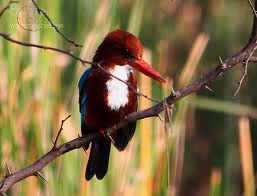
Sivagangai Garden:A very beautiful park, located north of the big temple. It has a good collection of beautiful flower plants and birds and animals. There are children playing area at the heart of the park and also has a cute little train and a pond with Boating facility.
Established in 1981, the university is affianced in research and advanced study in Tamil. Tamil University Museum has a collection coins and musical instruments.
The 18th century Schwartz Church is a bequest of Thanjavur's colonial past, standing to the east of the Shivaganga Tank.
The fort contains the great Brahadeeshwara Temple, Schwartz Church, and Shivaganga Garden. The Shivaganga Tank in the fort was excavated by Rajaraja I and later renovated to provide drinking water for the City.
This is huge cannon, called 'Beerangi Medu' . The Cannon is amazing in size and the quality speaks of the metallurgical knowledge of the people of those times. The Beerangi is the biggest in India.
This is actually a Square that encloses a tower. The tower offers a panoramic view of the bustling Thanjavur Town.
Plan your visit
A useful journey leaves room for local discoveries. Start with these essentials, then verify operational details from primary sources.
Pick a few nearby cities or landmarks rather than trying to cover a whole state in one short trip.
Compare temperature, rainfall and festival periods for the specific part of the region you will visit.
Include time for food, museums, crafts and the places that matter to local communities.
Confirm transport, permits, accommodation and opening dates directly from reliable sources.
More journeys to discover


Frequently asked questions
What is Thanjavur known for?
Thanjavur is explored in this guide through its local heritage, visitor attractions, culture and images. The highlights and linked articles below offer starting points for your itinerary.
How should I plan a first visit to Thanjavur?
Choose a few nearby highlights in Thanjavur, group them by area and allow flexibility for travel, meals and rest. Confirm the latest access information with official providers.
When is the best time to visit Thanjavur?
The most comfortable time depends on local weather, festivals and your planned activities. Check current seasonal forecasts and any attraction-specific closure notices for Thanjavur.
Where can I confirm ticket prices and opening times in Thanjavur?
Check the official tourism authority or the individual venue before departure. This page intentionally does not repeat potentially outdated prices or hours.
Is this Thanjavur guide updated?
This page was rebuilt from legacy IndiaCityTrip content on October 23, 2026. Older descriptive material has been reorganized; operational details still require direct verification.