Exploring Mudumalai Wildlife Sanctuary
Area : 32,155 hectares Altitude 350-1,266 m above sea level Languages Spoken Tamil, English Climate : Temperature 24.30°C MinTemperature 4.80°C Best Time to Visit June to September and October to December STD Code 0423 (Ooty) Best Time To Visit : February to June
The Mudumalai Wildlife Sanctuary was the first Wildlife Reserve in South India. A remarkable feature of this Park is its terrain, which is very varied, with hills, ravines, valleys and swamps. Even the vegetation is quite varied. There are blooming trees like Indian Labumusum, Aredesia, Solanancea, and others like Bamboos (Bambusa Arundinacea) Natural teak (Tectona Grandis), Crenulata/Terminalia Tomontosa, Anogeissus latifolia, Terminalia and Grewia,
The Wildlife sanctuary has one of the largest elephant populations in the country. Other animals to be found in this National Park are, tigers and leopards, chital, dhole panther Gaur, Banner, Macaque, Common langur, Sloth Bear, Python, Otter, Crocodiles (mugger), barking deer, Four Horned Antelope, giant flying squirrel, Sambar, Hyena, Wild Dog, Wild Boar, Mouse Deer, Spotted Deer, Porcupine, Jackal, Hare, and Mongoose.
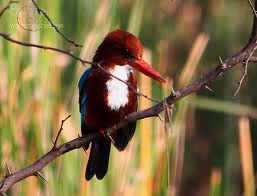
The Birds that can be seen at this National Park are, peacock, gray jungle fowl, the shama, the magpie-robin, the red spur fowl, the gray partridge quails, malabar grey hornbill, bulbuls, goggle eyed plover, Malabar whistling thrush, spotted babbler, small green barbet, green pigeons, the brown dove, mynahs, etc.
Fauna in Mudumalai Wildlife Sanctuary
Among the animals we can see the big asian elephant, tiger, leopard, gaur, hyena, Jackal, Sloth Bear, Sambar, Chital, Muntjac, Mouse Deer, Wild Boar, Stripe-necked Mongoose, Nilgiri Tahr (adjoining areas), Porcupine, Giant Flying Squirrel, Bonner Macaque, Barking Deer, Four-horned Antelope, Otter and Langurs. The avian population comprises of over 200 species of birds belonging to 48 biological families. Ruling the avian family there are the Crested Hawk Eagles,
Crested Serpent Eagle, Malabar Trogon, Malabar Whistling Thrush, Large Racket-Tailed Drongos, Spotted Babbler, Green Pigeons, Brown Dove, Malabar Grey Hornbill, Parakeets, Bulbuls, Cuckoos, Hornbills, Scops Owl, Tiny-eared Owl, Black Woodpecker, Mynas, Barbets, Buzzards, Harriers, Falcons and the King Vulture. The reptilian family has Crocodiles and Pythons. Common Krait and Bamboo Pit Snake are the other major reptiles in the park. The park also houses a variety of turtles, frogs and amphibians.
Flora in Mudumalai Wildlife Sanctuary
Supporting the rich wildlife are thickly forested regions in the hilly terrains. The flora in this region is quite diverse. It consists of Tropical evergreen forests, moist mixed deciduous, moist Teak forest, dry teak forest, grassy woodlands, shrubs and swamps. The Rosewood and Teak of Mudumalai are considered to be the two most valuable timber trees of India. Other commonly found trees are Bamboos, Sandalwood, Jacaranda, Mango, Jamun, Tamarind, Banyan, Pipal, and Plumeria. You can also witness the huge blossoms of Gulmohar, Indian Labumusum, Aredesia and Solanancea in this region.
How to Reach Mudumalai Wildlife Sanctuary
By Air : The nearest airport is situated at Coimbatore, about 160 km from Mudumalai.
By Rail : Mudumalai is situated at a distance of 65 km from Udhagamandalam Railway Station.
By Road : Regular bus services connect all the major neighbouring cities with the sanctuary. Gudalur is the nearest town, about 16 km from the sanctuary.
Plan your visit
A useful journey leaves room for local discoveries. Start with these essentials, then verify operational details from primary sources.
Reserve any permitted safari or access through the authorized wildlife authority.
Keep a respectful distance, avoid loud noises and never feed or approach wildlife.
Bring neutral clothing, water, suitable sun protection and binoculars if useful.
Check the open season, gate location, guide requirements and changing conservation rules.
More journeys to discover


Frequently asked questions
What is Mudumalai Wildlife Sanctuary known for?
Mudumalai Wildlife Sanctuary is explored in this guide through its local heritage, visitor attractions, culture and images. The highlights and linked articles below offer starting points for your itinerary.
How should I plan a first visit to Mudumalai Wildlife Sanctuary?
Choose a few nearby highlights in Mudumalai Wildlife Sanctuary, group them by area and allow flexibility for travel, meals and rest. Confirm the latest access information with official providers.
Can I visit Mudumalai Wildlife Sanctuary throughout the year?
Not necessarily. Wildlife areas can close for monsoon periods, conservation measures or operational reasons. Confirm current permits, zones and visitor seasons directly with park authorities.
Where can I confirm ticket prices and opening times in Mudumalai Wildlife Sanctuary?
Check the official tourism authority or the individual venue before departure. This page intentionally does not repeat potentially outdated prices or hours.
Is this Mudumalai Wildlife Sanctuary guide updated?
This page was rebuilt from legacy IndiaCityTrip content on October 23, 2026. Older descriptive material has been reorganized; operational details still require direct verification.