Exploring Nasik
Nasik city is located in Maharashtra.This city is at a distance of 185 km from Mumbai and 202 km from Pune.This city is popularly known as the 'Wine capital of India' or the 'Grape City'.Nasik city is located in the western Ghats,on the western edge of the Deccan Peninsula.Nasik is one of the four most holiest places in India.It is located on the banks of river Godavari and encircled by nine-hills Durga,Ganesh,Chitraghanta,Pandav,Dinger Ali Mhasarul,Jogwanda,Pathanpura and Konkani.he city is famous for Kumbh Mela which happens once in every 12 years and attracts tourists from all over the world.
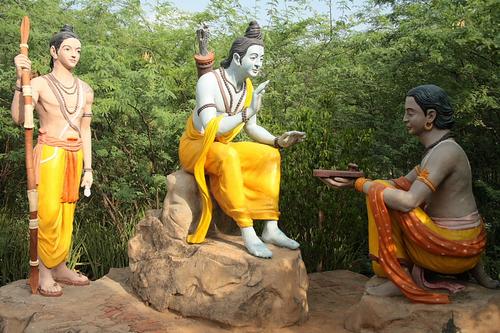
There was a saying about this city is that,Lord Rama,along with his wife Sita and brother Laxmana stayed here for a while during their 14 year exile,and this is the place where Ravana abducted Sita and took her to his place on the island of Lanka,now known as Sri Lanka. It was here Laxman cut off the nose of Ravana's sister Surpanakha.The temples, the ghats on the Godavari river have made Nasik the holiest place for Hindus.
History of Nasik
Nasik was the capital of the powerful Satavahana (also spelt as Satvahans) dynasty. It was an important trading port to the west. The city of Nasik was called as "Gulshanabad" during Mughal period. Later, it was again given its old name when Peshwas took over in 1751, but they lost Nasik to the British in 1818.
In the year 1864, Nasik Municipality was formed and in 1869, it was made a full-fledged district with its present 13 'Talukas' (regions). Nashik also played a major role in the freedom struggle of India. The non-cooperation movement started by Mahatma Gandhi was a rage here. The temple entry movement to finish untouchability started by Dr. Ambedkar and the mass movement was also organized in Nasik in the year 1932.
Attractions in Nasik
The Kumbh Mela ,is the largest religious gathering on the earth.The piligrimage occurs four times for every 12 years.This mela occurs once at each of four holy cities in India.These cities are Nasik,Allahabd,Ujjain and Haridwar.The Allahabad Kumbh Mela is the largest and holiest of them.The Mela is famous for the huge number of Hindu holy men, who gather here during this time.
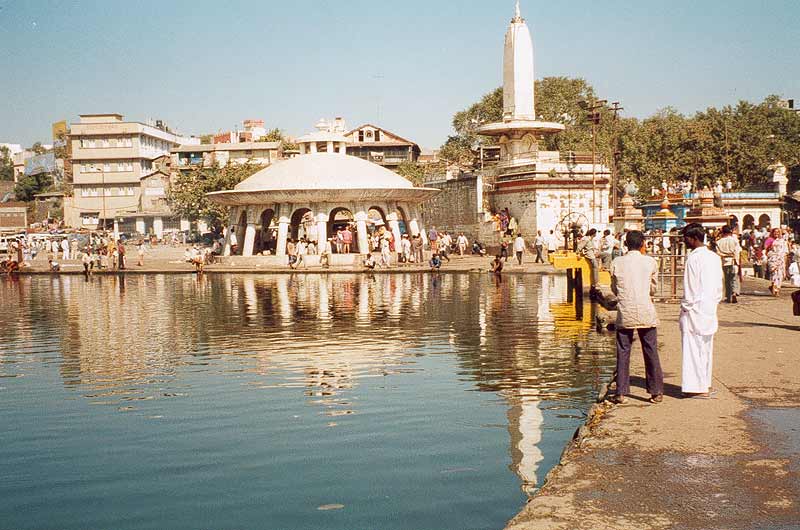
During this mela all the devotees dip into the river Godavari.It is believed that this holy dip will cleanse their souls leading to salvation. One of the major event of the festival is a ritual bath taken at a predetermined time.
For this mela special arrangements will be made by the state government for the devotees coming here Many guest houses and Dharmasal's will be arranged for the visitors and piligrims to stay. Ghats are cleaned and security measures are taken.
This place is situated in the northern part of Nasik.According to a legend Lord Shri Ram and Sita along with Lakshman stayed at Panchavati for some time.The name 'Panchawati' is derived from the five Banyan trees present here.
This temple is situated at the corner of Ahillyabai Holkar Bridge in Nasik. This temple was built by Gangadhar Yashwant Chandrachud in the year 1756.The worshipped God in this temple is Lord Vishnu,who is also known as 'SundarNarayan'.
The Ramkund is in the river Godavari.Here all devotees take a holy dip.This place is considered as 'Ganges of the South'.This is the place from where the river Godavari turns to right at an angle of 90 degrees.It is said that Lord Rama took a bath here, during his stay at Nasik.
This is another famous temple at Nasik.The idol in the temple is believed to be self emerged and is also known as 'Swayambhu'.The name of the temple is derived from 'Modak' a special Maharashtrian dish made of Coconut and Jaggery.This dish is considered to be Lord Ganesh's Favourite.
The literal meaning of Gumpha is cave,the Sita Gumpha is located near the five Banyan trees in Panchawati. It is one of the major attractions of Nasik. There is a narrow staircase used to enter the cave. In the cave one can see idols of Shree Ram, Laxman and Sita. It is believed that Ravan kidnapped Sita from the same place.
The Kalaram temple is one of the most important temple in Nasik.It is located in the Panchawati area. This temple was built by Gopikabai Peshwa in the year 1794.The unique feature of this temple is that it was built with black stones.
Fairs and Festivals
Festivals are celebrated here with great enthusiasm and excitement.Some of the important festivals celebrated are the Shravan Pornima and Maha Parva - Shravan Amavasya (new moon), in the month of August and the Bhadrapad Amavasya (new moon) in the month of September. Ganesh Chaturthi, Dussehra, Diwali and Holi are the other festivals celebrated here with equal pomp and gaiety.
How to Reach Nasik
Plan your visit
A useful journey leaves room for local discoveries. Start with these essentials, then verify operational details from primary sources.
Cluster attractions that are close to one another. Build in time for local food, markets and spontaneous stops.
Research the nearest airport or rail station, then compare public transport and licensed local vehicles for short journeys.
Look for regional specialties and local markets; observe local customs in religious and residential areas.
Verify venue opening hours, online ticketing, local holidays, seasonal weather and accessibility before leaving.
Photos and places to remember


More journeys to discover
Frequently asked questions
What is Nasik known for?
Nasik is explored in this guide through its local heritage, visitor attractions, culture and images. The highlights and linked articles below offer starting points for your itinerary.
How should I plan a first visit to Nasik?
Choose a few nearby highlights in Nasik, group them by area and allow flexibility for travel, meals and rest. Confirm the latest access information with official providers.
When is the best time to visit Nasik?
The most comfortable time depends on local weather, festivals and your planned activities. Check current seasonal forecasts and any attraction-specific closure notices for Nasik.
Where can I confirm ticket prices and opening times in Nasik?
Check the official tourism authority or the individual venue before departure. This page intentionally does not repeat potentially outdated prices or hours.
Is this Nasik guide updated?
This page was rebuilt from legacy IndiaCityTrip content on October 23, 2026. Older descriptive material has been reorganized; operational details still require direct verification.