Exploring Kanha National Park
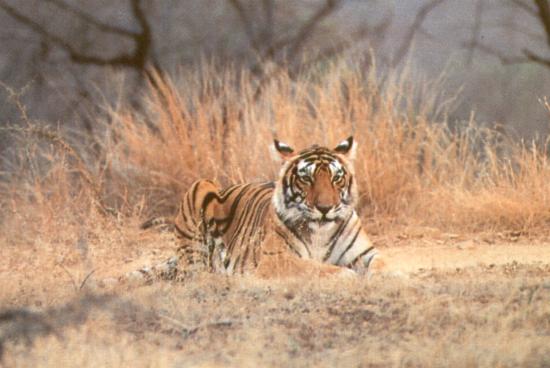
Kanha National Park is situated in the state of Madhya Pradesh.This park is located in Banjar and Halon Valleys in the Mandla and Balaghat districts.Kanha National Park is one of the India's finest tiger reserves.
History
According to the local villagers the name Kanha has come from Kanhar which is the local term of the clayey soil found in that region.The second thought from the locals of Kanha is that the name is derived from Kanva, a holy man who lived in a forest village. Kanha National Park was created in 1st June 1953. There were two wildlife sanctuaries before 1953- Hallon and Banjar. Hallon and Banjar were two river valley on Maikal ranges of Satpura hills of Central India. It was a first declared as a reserve forest in 1879, during British era. Later in 1935 it was named Banjar valley sanctuary. Park area was extended many times in several phases since 1953. Kanha National Park was originally upgradation of Banjar valley sanctuary. At the time of creation of Kanha National Park, mukki valley and hallon valley were not the part of Kanha. Later on different phases, boundary of Kanha National Park was extended and Mukki valley was included in 1970, Hallon valley was included in 1974.
It is also known as the sunset point.Most tourists visit Bamni Dadar to get the wonderful view of the setting sun. This is also one of the beautiful area in the park.Animals that can be sighted around this pont are typical of the mixed forest zone: sambar, barking deer, gaur and the four-horned antelope etc.
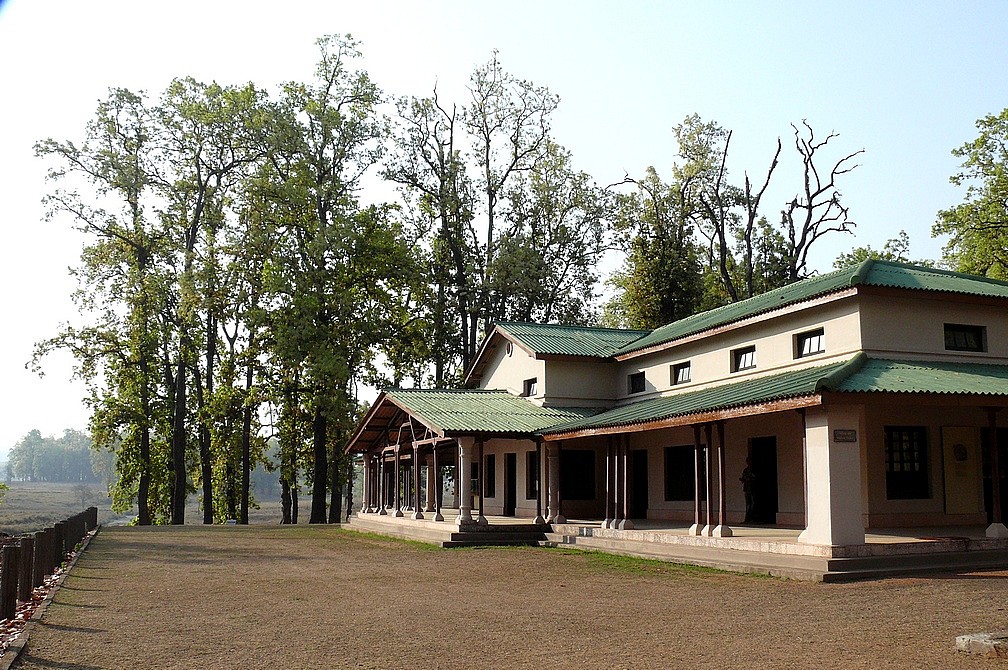
Kanha museum is indside the park.It is another interesting place to visit.The museum is the right place to understand the topography and other interesting aspects of the park.
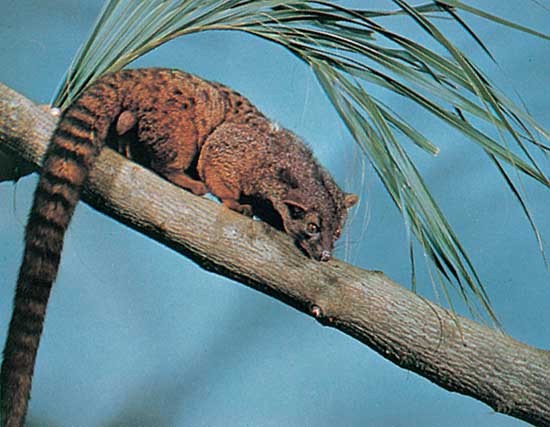
This park contains about 22 species of mammals.Some of the inhabitants of this park are the Gaur,the Sambar, The largest Indian Deer, and the Chausingha(the only four-horned antelope in the world).
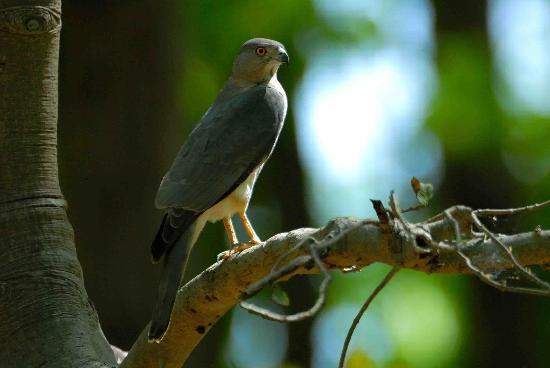
There are 175 varieties of birds in Kanha National park.Some of the major bird species you can find at Kanha National Park.
he Palace Kawardha was designed and built by Maharaja Dharamraj Singh in the period 1936-39. This inspiring monument was created using Italian marble and stone, and is set in eleven acres of private lush gardens.The places of interest in and around Kawardha are The Krishna Temple, Bhoremdeo Temple, Mandawa Mahal & Madan Manjari Mahal.
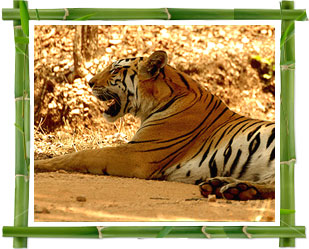
This is a small National Park.Owing to its small size, the density of tigers is the highest. Apart from Tigers there are around 22 species of mammals and another 250 species of birds are present.
The city of Nagpur is located at a distance of 260 kilometres from Kanha National Park.This city is famous for its Oranges. Nagpur is nicknamed as the orange city. The present day Nagpur city was founded by the Gond King of Deogad, Bakht Buland Shah in the year 1702. The city completed its 300 years in the year 2002. Nagpur has a good network of transportation and is easily accessible from its nearby towns and cities.
How to Reach Kanha National Park
Nagpur at 266-kms is the nearest Airport to visit Kanha National Park and is connected by various domestic airline services with Mumbai.
Kanha National Park is connected by road with Jabalpur 175-kms, Khajuraho 445-kms, Nagpur 266-kms, Mukki 25-kms, Raipur 219-kms. Within the park: Koshi - Kanha (9-kms), Kishi - Katia (4-kms), Kishi - Mukki (32-kms). There are regular to and fro bus service available from Jabalpur to Kanha.
Plan your visit
A useful journey leaves room for local discoveries. Start with these essentials, then verify operational details from primary sources.
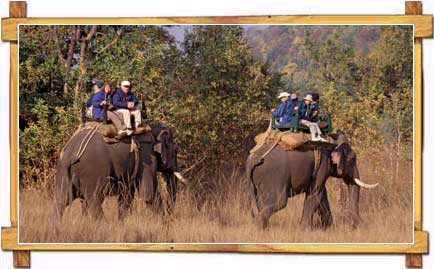
Reserve any permitted safari or access through the authorized wildlife authority.
Keep a respectful distance, avoid loud noises and never feed or approach wildlife.
Bring neutral clothing, water, suitable sun protection and binoculars if useful.
Check the open season, gate location, guide requirements and changing conservation rules.
Photos and places to remember




More journeys to discover

Frequently asked questions
What is Kanha National Park known for?
Kanha National Park is explored in this guide through its local heritage, visitor attractions, culture and images. The highlights and linked articles below offer starting points for your itinerary.
How should I plan a first visit to Kanha National Park?
Choose a few nearby highlights in Kanha National Park, group them by area and allow flexibility for travel, meals and rest. Confirm the latest access information with official providers.
Can I visit Kanha National Park throughout the year?
Not necessarily. Wildlife areas can close for monsoon periods, conservation measures or operational reasons. Confirm current permits, zones and visitor seasons directly with park authorities.
Where can I confirm ticket prices and opening times in Kanha National Park?
Check the official tourism authority or the individual venue before departure. This page intentionally does not repeat potentially outdated prices or hours.
Is this Kanha National Park guide updated?
This page was rebuilt from legacy IndiaCityTrip content on October 23, 2026. Older descriptive material has been reorganized; operational details still require direct verification.