Exploring Manali Himachal Pradesh Destinations
Area : 5.12 sq.kms. Altitude : 1,926 metres. Climate: (deg C): Summer- Max. 25, Min. 12. Winter- Max. 14.5, Min. 2. Best Time To Visit : April to Mid-July and Sep. to Nov. for both the places. Languages : Pahari (Local Dialect), Hindi, English. STD Code : 01902.
History Of Manali
Manali's `history' is really more myth than history. According to Hindu mythology, Manali was the home of the lawgiver Manu (after whom the town is named). Legend has it that when a flood deluged the earth, Manu and the gods were towed to dry ground by a giant fish, which was the seventh `avatar' of the god Vishnu. The area where Manu eventually found refuge was Manali.
Overview Of Manali
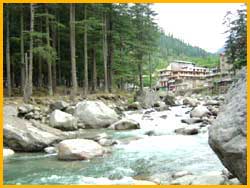
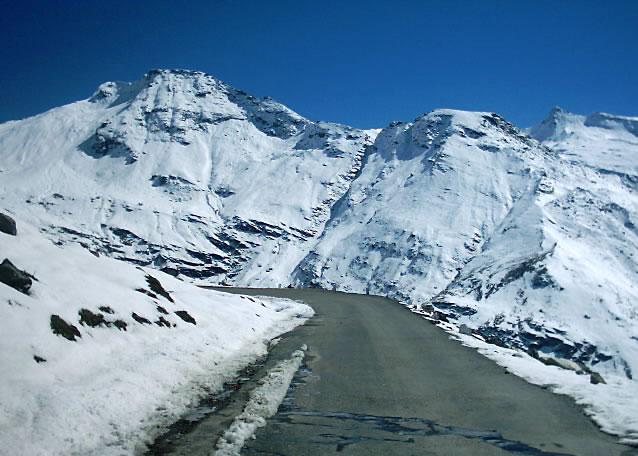
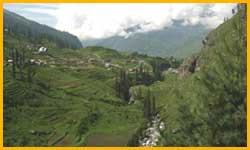
40 kms. away from Kulu to the north, Manali is situated near the end of the valley on the National Highway leading to Leh. The landscape here is breath taking. One sees well-defined snow capped peaks, the Beas river with its clear water meanders through the town. On the other side are deodar and pine trees, tiny fields and fruit orchards. It is an excellent place for a holiday, a favorite resort for trekkers to Lahaul, Spiti, Kinnaur, Leh and Zanskar regions in Kashmir valley. It is known as the SWITZERLAND OF INDIA.
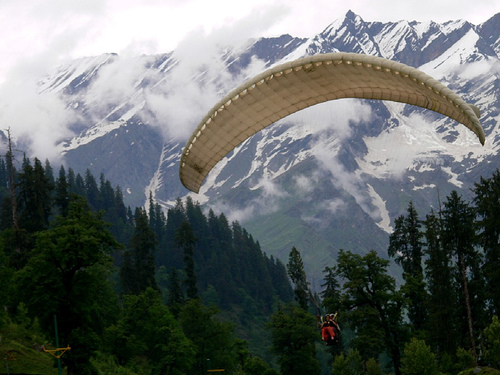
Once called the "end of the habitable world," Manali is an important hill station of northern India and is the destination of thousands of tourists every year. Its cool atmosphere provides a perfect haven for the ones afflicted by the hot Indian summers. Besides offering quite a few places for sightseeing, Manali is also famous for adventure sports like skiing, hiking, mountaineering, paragliding, rafting, trekking, kayaking, and mountain biking. In brief, Manali-the veritable "valley of the Gods"-is an ideal place for the ones in search of both adventure and comfort. The Kulluis in brightly patterned puttoos, Tibetan women wearing ankle-length rainbow-striped pinafores, Nepali porters, Buddhist monks, and even the odd party of Zanskaris, swathed in fusty woolen gonchas, muddled together with souvenir-hunting Indian and Western tourists-all add up to the welcoming hubbub of Manali.
Situated in the central parts of the northern state of Himachal Pradesh, Manali is at the head of the Kullu valley, 280 km north of the state capital Shimla and 108 km from Mandi. Manali is perched at an altitude of 2050 meters above sea level and is spread along the banks of the river Beas. In winters, the temperature can drop below freezing point when heavy woolens are required. Summer temperatures are mild and light woolens/cottons are recommended. In Manali, one can find high mountains shrouded by silent snows and deep boulder strewn gorges. There are thick forests, filled with cool breezes and bird song. There are fields of wild flowers, small picturesque hamlets and fruit-laden orchards, especially apples.
Surrounded by towering peaks at an arm length, Manali's major asset is its proximity to the snowline. It is a flourishing orchard industry, a popular honeymoon destination for honeymoon couples and trailhead for numerous treks as well as a great countryside ideal for adventure sport lovers.
Manali literally means the 'Home of Manu'. Manu is the mythological character who is supposed to have survived when the world was drowned in Flood. He then came to Manali and recreated human life. Thus, the area of Manali is sacred and Hindus treat the temples over here as pilgrimage.
Sightseeing In Manali
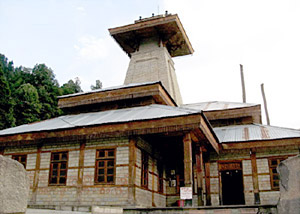
Manali has many attractions but the chief centre of interest, historically and archeologically, is undoubtedly the DHOONGRI TEMPLE dedicated to goddess Hadimba, the Bhim of Mahabharat fame. It has four-tiered Pagoda shaped roof and the doorway is carved with legendary figures and symbols. This temple located amidst wooden forest of deodar is about 2.5 kms. from the tourist office. It is a pleasant experience to stroll in the temple complex which was built in 1533 A.D. A large festival is held here in May.
3 kms. from the main bazar in old Manali lies the temple of MANU RISHI. It is believed that this is the only temple of Manu in India, who was the creator of human race on the earth.
2 kms. from the town, club house has indoor games facilities which has been located on the left bank of Manalsu Nallah. There are some picnic spots near it.
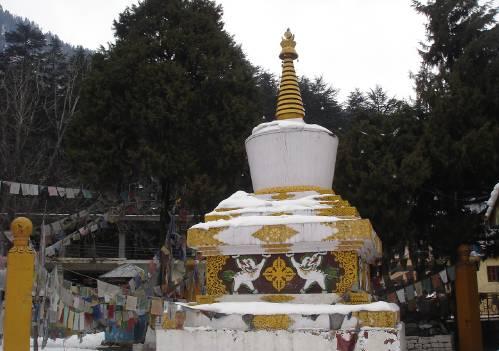
There are 3 newly constructed colorful monasteries, where visitors can buy carpets and other Tibetan handicrafts. Two are located in the town and one at Aleo on the left bank of Beas river.
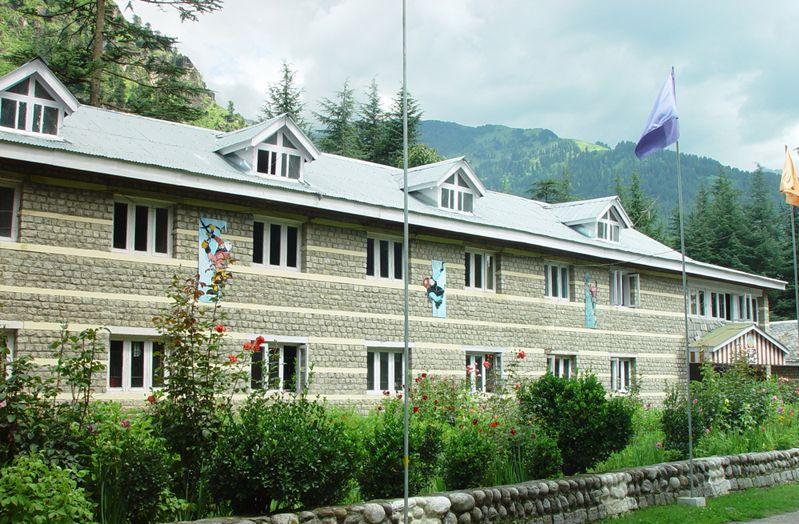
Located 3 kms. on the left bank of river Beas towards Kulu. This Institute organises basic & advance training courses, in trekking, mountaineering, skiing and water sports. Skiing and trekking equipments can be hired from here by booking in advance. Tourists can visit an interesting showroom here.
Vashist, a small village located on the left bank of river Beas towards Rohtang pass is worth a visit. It is renowned for its hot springs and temples. Nearby is the pyramidal stone temple dedicated to Vashist Muni. There is another Temple of Lord Ram here. Natural hot sulphur springs with two separate bathing tanks for gents and ladies are always full of tourists. Turkish style showers fitted baths have also been built nearby. Hot water from the nearby spring is provided for bathing.
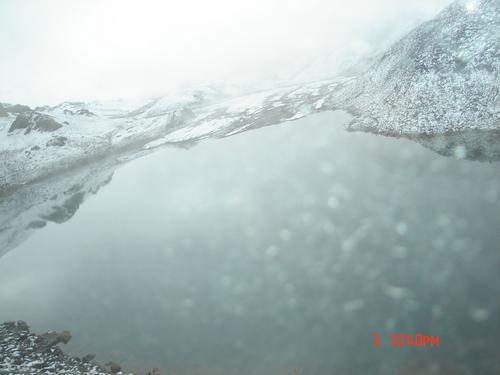
5 kms. on National Highway to Leh,a natural spring of cold clear water named after Pt. Jwahar Lal Nehru, who used to drink water from this spring during his stay in Manali. This spring is believed to originate from the Bhrigu lake situated high-up in the mountains.
Plan your visit
A useful journey leaves room for local discoveries. Start with these essentials, then verify operational details from primary sources.
Mountain weather can shift quickly; check forecasts, road access and local advisories.
Plan for hill roads and longer journeys than the map may suggest; use reliable licensed transport.
Explore nearby walks, viewpoints and markets without overloading a single day.
Carry waste out, respect fragile ecosystems and follow any trekking restrictions.
Photos and places to remember

More journeys to discover

Frequently asked questions
What is Manali Himachal Pradesh Destinations known for?
Manali Himachal Pradesh Destinations is explored in this guide through its local heritage, visitor attractions, culture and images. The highlights and linked articles below offer starting points for your itinerary.
How should I plan a first visit to Manali Himachal Pradesh Destinations?
Choose a few nearby highlights in Manali Himachal Pradesh Destinations, group them by area and allow flexibility for travel, meals and rest. Confirm the latest access information with official providers.
When is the best time to visit Manali Himachal Pradesh Destinations?
The most comfortable time depends on local weather, festivals and your planned activities. Check current seasonal forecasts and any attraction-specific closure notices for Manali Himachal Pradesh Destinations.
Where can I confirm ticket prices and opening times in Manali Himachal Pradesh Destinations?
Check the official tourism authority or the individual venue before departure. This page intentionally does not repeat potentially outdated prices or hours.
Is this Manali Himachal Pradesh Destinations guide updated?
This page was rebuilt from legacy IndiaCityTrip content on October 23, 2026. Older descriptive material has been reorganized; operational details still require direct verification.