Exploring Chamba
Chamba in Himachal Pradesh is situated on bank of river Ravi , was once the capital of Pahari Kings . King Sahil Verma had named this city after his daughter Champavati . Chamba is famous for handicrafts and temples. Chambas has still retained their social customs and conditions. Old Tribes like Caddies and Pangwalas are still there. The temples of Chamba are richly carved and resemble with those in Rajasthan .
Near the palace you can see, 3 temples of Vishnu and 3 temples of Shiva lying in a row. These are different from other temples, as all the shrines have shikaras or spires. The oldest of all temples is the Laxmi Narayan Temple which is richly carved.
You can find many wild lives like snow leopard, marmot and ibex in higher regions and musk deer, wild pigs and brown bear in lower regions. You can also find Partridges, Wild Fowl and Pheasants.
Places to Visit
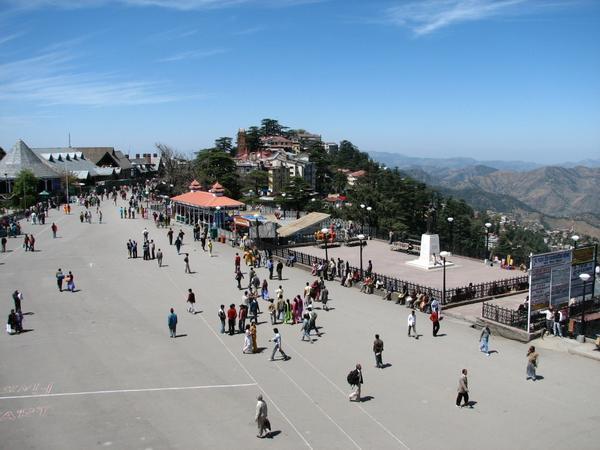
This is a big grassy ground situated at the center of the city, used for trading and public functions. Every year, Minjar Procession is held here, where cultural activities and sports takes place.
This Museum has a collection Chamba’s cultural heritage and miniature paintings of Kangra and Basholi schools of Art. Some of the murals of Rang Mahal Palace, which was damaged in fire can also be found here.
This palace was built for residence purpose by Raja Umed Singh, with distint green roof. Later Zenana Mahal was added by Raja Bhuri Singh. Now this palace is converted to Government College and District Library by Government of HP.
Bharmapur, also known as Brahampura was capital of Chamba in ancient time. This place is covered by thick forest. There are temples like Lakshmi Devi Temple,Narsingh Temple and the Ganesh temple.
This is picnic spot with agricultural gardens, Bee-keeping Centre and Sheep breeding Farms.
Chenab Valley is called Pangi, which is desolate and cold. Chandrabhaga river flows amidst wild rugged hills, lashing against towering cliffs is known as pangiyals. The Great Himalayas and the Pir Panjal are the two ranges on north and south of Pangi.
This is situated in the deep and narrow gorge of Chenab River. While trekking, you will come across a beautiful place called Purthi, which has best historical rest houses and forest nurseries on the bank of Chandra Bhaga.
This is on the bank of Sal River and is known for Lord Shiva’s temple called Chndrashekhar Temple.
Plan your visit
A useful journey leaves room for local discoveries. Start with these essentials, then verify operational details from primary sources.
Pick a few nearby cities or landmarks rather than trying to cover a whole state in one short trip.
Compare temperature, rainfall and festival periods for the specific part of the region you will visit.
Include time for food, museums, crafts and the places that matter to local communities.
Confirm transport, permits, accommodation and opening dates directly from reliable sources.
More journeys to discover


Frequently asked questions
What is Chamba known for?
Chamba is explored in this guide through its local heritage, visitor attractions, culture and images. The highlights and linked articles below offer starting points for your itinerary.
How should I plan a first visit to Chamba?
Choose a few nearby highlights in Chamba, group them by area and allow flexibility for travel, meals and rest. Confirm the latest access information with official providers.
When is the best time to visit Chamba?
The most comfortable time depends on local weather, festivals and your planned activities. Check current seasonal forecasts and any attraction-specific closure notices for Chamba.
Where can I confirm ticket prices and opening times in Chamba?
Check the official tourism authority or the individual venue before departure. This page intentionally does not repeat potentially outdated prices or hours.
Is this Chamba guide updated?
This page was rebuilt from legacy IndiaCityTrip content on October 23, 2026. Older descriptive material has been reorganized; operational details still require direct verification.