Exploring Gangtok
History of Gangtok
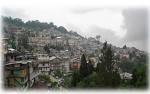
Gangtok, the capital city of Sikkim, situated 110 kms from Siliguri and at an altitude of 1547 metres above the sea level, is filled with different cultures, religions and people existing in perfect harmony. Gangtok presents a perfect example of harmony between traditions and modernity. There are discotheques, posh markets, fast food outlets and many other modern amenities, at the same time Gangtok also owns some of the important Buddhist religious sites. Beautiful hills, lovely valleys, intriguing temples and monasteries spreading spiritualism and the natural beauty invite one and all.
The earliest records date from the construction of the hermitic Gangtok monastery in 1716. Gangtok remained a small hamlet until the construction of the Enchey Monastery in 1840 made it a pilgrimage center. After the defeat of the Tibetans by the British, Gangtok became a major stopover in the trade between Tibet and British India at the end of the 19th century. In 1894, Thutob Namgyal, the Sikkimese monarch under British rule, shifted the capital from Tumlong to Gangtok, increasing its importance. A new grand palace along with other state buildings was built in the new capital. Following India's independence in 1947, Sikkim became a nation-state with Gangtok as its capital.
Culture
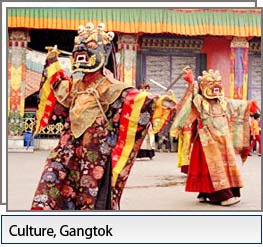
Major Indian festivals, such as Diwali and Makar Sankranti (the popular Hindu festivals) along with the Buddhist festivals like Losar, Loosong, Bhumchu, Saga Dawa, Lhabab Duechen and Drupka Teshi are celebrated in Gangtok. During the Losar, the Tibetan New Year in mid-December, most government offices and tourist centres are closed for a week. In recent times, Christmas has also been celebrated in Gangtok.
Residents of Sikkim are music lovers and it is common to hear Western rock music being played in homes and restaurants. Hindi pop songs are also common. Indigenous Nepali rock, music suffused with a western rock beat and Nepali lyrics, is also particularly popular.
Football (soccer) and cricket are the two most popular sports. The Paljor Stadium, which hosts football matches, is the sole sporting ground in the city.
Noodle-based foods such as the thukpa, chowmein, thanthuk, fakthu, gyathuk and wonton, are relished in Gangtok. The momo is a popular snack made from vegetable, beef, or pork filling, which is steamed and served with a soup. Alcohol is cheap due to low excise duty in Sikkim. Beer, whiskey, rum and brandy are frequently consumed by both locals and non-locals. The city's main landmark is a 200 foot (90 m) TV tower that can be viewed from afar.
Sightseeing In Gangtok
Deer park also known as the Rustamji Park, adjacent to the new secretariat, it is named after one of the Dewans of the Chogyal of Sikkim. The park is home to some animals like the Red Panda and the Himalayan Bear. There's also a big statue of Lord Buddha in the park premises, in front of which a butter lamp burns perpetually, surrounded by exotic flowers. The park provides some mesmerizing view of the hills of Gangtok.
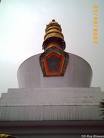
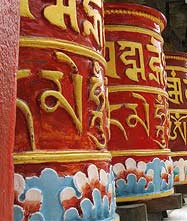
Dud-Dul Chorten has a set holy books, mantras and other religious objects. The Stupa was Built by Trulshi Rimpoche head of the Nyingma order of Tibetan Buddhism in 1945. There are around 10 prayer wheels called Mani-Lhaskar around this Chorten.
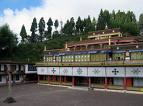
Rumtek Monastery is the largest monastery in eastern Himalayas, built by Gyalwa Karmapa strictly according to the designs of the Tibetan monastery, just 24 kms away from Gangtok.
The Namgayal Institute of Tibetology is a center of research into Mahayana Buddhism and the language and tradition of Tibet. The institute has some rare collection of Tibetan, Sanskrit and Lepcha manuscripts, statues, Thankas ( tapestry used in Buddhist liturgy) as well as more than 200 Buddhist icons.
This Chapel is situated in the Palace grounds and is the used as a place of worship and assembly and is also a repository of vast collection of Buddhist scriptures.
Just 3 km from Gangtok, this 200 years old monastery looks as exotic as the legend associated with its founder. The monastery was built by Lama Druptop Karpo, a proficient tantric master who was known for his tantric powers including that of flying. The walls of the monastery are decorated with murals of gods and Buddhist leaders. January is the time of Chaam, a masked dance festival celebrated over a period of two days.
A gentle walk from the Sikkim press will take you up to the Nam Nam View point which affords a beautiful view of the surroundings and the Tsomgo forest. The place is ideal as a picnic spot.
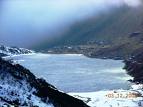
The serene lake is situated at a distance of 40 km from Gangtok at an altitude of 3780 mts above sea level. The surroundings of the lake are filled with a variety of flowering plant and tree species while a few animals are also found. The lake freezes during the winters, presenting a beautiful sight.
How to Reach Gangtok
Plan your visit
A useful journey leaves room for local discoveries. Start with these essentials, then verify operational details from primary sources.
Cluster attractions that are close to one another. Build in time for local food, markets and spontaneous stops.
Research the nearest airport or rail station, then compare public transport and licensed local vehicles for short journeys.
Look for regional specialties and local markets; observe local customs in religious and residential areas.
Verify venue opening hours, online ticketing, local holidays, seasonal weather and accessibility before leaving.
Photos and places to remember
Frequently asked questions
What is Gangtok known for?
Gangtok is explored in this guide through its local heritage, visitor attractions, culture and images. The highlights and linked articles below offer starting points for your itinerary.
How should I plan a first visit to Gangtok?
Choose a few nearby highlights in Gangtok, group them by area and allow flexibility for travel, meals and rest. Confirm the latest access information with official providers.
When is the best time to visit Gangtok?
The most comfortable time depends on local weather, festivals and your planned activities. Check current seasonal forecasts and any attraction-specific closure notices for Gangtok.
Where can I confirm ticket prices and opening times in Gangtok?
Check the official tourism authority or the individual venue before departure. This page intentionally does not repeat potentially outdated prices or hours.
Is this Gangtok guide updated?
This page was rebuilt from legacy IndiaCityTrip content on October 23, 2026. Older descriptive material has been reorganized; operational details still require direct verification.