City Overview
Aurangabad is beautifully surrounded by hills and is renowned for its cultural heritage and medieval monuments. Established during the Mughal era, it is also famous for its production of silk and cotton textiles.
History
The city was founded in 1610 A.D. by Malik Amber on the site of a village called Khirki. It was later renamed Fatehnagar before Prince Aurangzeb made it his capital in 1633 and called it Aurangabad.
Historically, the region sat on an ancient trade route connecting Ujjaini in the north to the Satwahana capital, Pratishthana, in the south.
Major Sightseeing
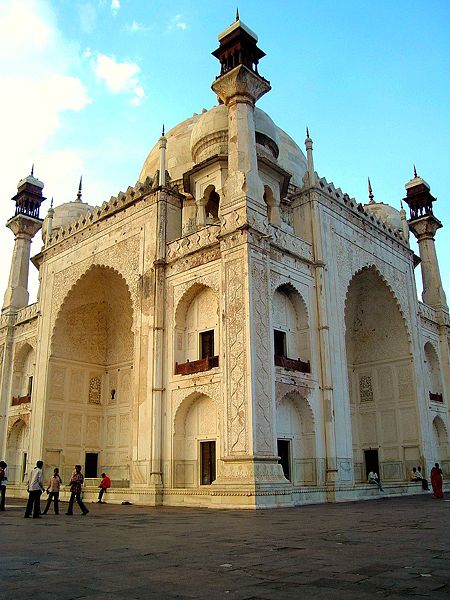
Bibi-ka-Makbara
The mausoleum of Aurangzeb's queen, Rabia-ud-Daurani Begum. Known as the "Poor Man's Taj Mahal" for its architectural resemblance.
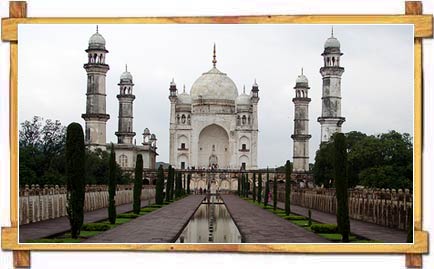
Aurangabad Caves
Twelve Buddhist caves dating from the 1st to the 7th century A.D.. The walls feature Jataka story illustrations molded by Tantric Hinduism.
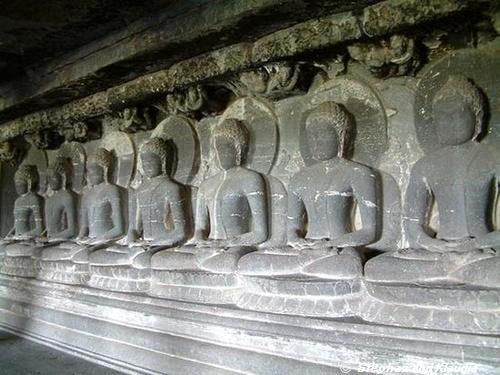
Panchakki
A water mill designed to grind grain for pilgrims. It generated energy through water brought from a mountain spring via underground pipes.
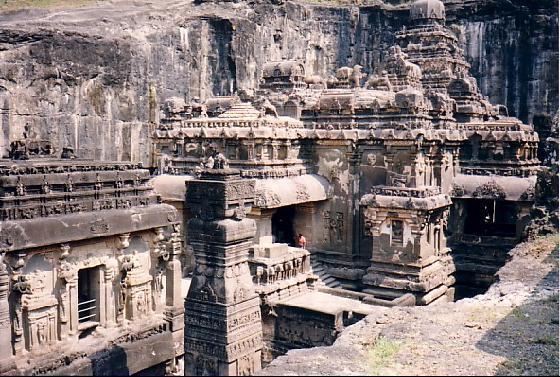
Ellora Caves
Located 30 km from the city, these 7th-century caves feature the Kailashnath Temple, a Dravidian-style masterpiece.
Nearby Excursions
-
Daulatabad Fort
Built in the 12th Century A.D. and originally known as Devgiri. Located 13 km from Aurangabad.
-
Shirdi
A famous religious site featuring the Shrine of Sai Baba, located 144 km from Aurangabad.
-
Ajanta Caves
A UNESCO World Heritage site with 29 caves containing Buddhist, Hindu, and Jain art dating to the 2nd century B.C..