Overview
Bhopal, the capital of Madhya Pradesh, is famously known as the City of Lakes due to the pair of beautiful lakes situated in the city center. Renowned for its natural beauty and magnificent mosques, it is also home to India's largest mosque, the Taj-ul-Masjid.
History
The origins of Bhopal date back to the 11th century AD under the legendary King Bhoja. The modern city was later founded in 1723 by Dost Mohammad, an Afghan soldier, following the decline of the Mughal Empire.
Bhopal was the second-largest Muslim state during British rule and remained separate until 1949. In 1956, it was integrated into Madhya Pradesh and declared its capital.
Major Attractions
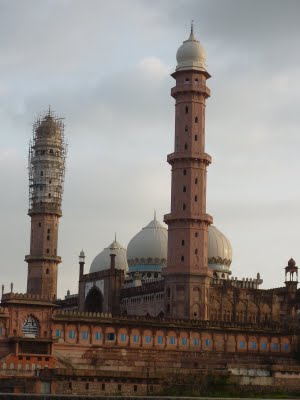
Taj-ul-Masjid
Meaning 'The Crown of Mosques', this pink portico structure features two white domes and is India's largest mosque. It hosts the famous Ijtima festival annually.

Upper & Lower Lakes
Divided by a bridge, these sections are hubs for water sports like sailing, motorboats, and paddle boats. The Upper Lake is a popular spot to enjoy evening shikara rides.

Laxmi Narayan Temple
Also known as Birla Mandir, it is located on Arera Hills. The adjacent museum houses a rich collection of sculptures from various Madhya Pradesh districts.

Moti Masjid
Built in 1860 by Sikandar Begum, this red sandstone mosque is a landmark of Islamic architecture with a marble facade and towering minarets.
Heritage & Museums
Shaukat Mahal & Sardar Manzil
Unique architecture blending Renaissance and Gothic styles. Sardar Manzil once served as a public audience hall for the ruling class.
Rashtriya Manav Sangrahalaya
Known as the National Museum of Man, this 195-acre site showcases India's tribal folk arts and rich anthropological heritage.