Quick Facts
Imperial History
Patna, originally known as Pataliputra, was the capital of Chandragupta Maurya. After the decline of the Mauryan Empire, it rose again under the Afghan ruler Sher Shah Suri in the 16th century.
The city hosted iconic figures like Emperor Ashoka and the later Guptas. Renowned scholars like Kautilya composed their works here, and famous Chinese travelers Fa-Hien and Hiuen-Tsang visited to document its wisdom.
Under Governor Azim-us-Shan, the city was transformed into a gorgeous town named "Azimabad" before eventually coming under British control as a major silk and calico trade hub.
Major Attractions
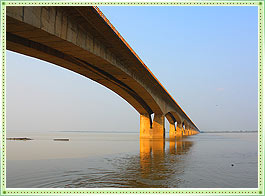
Mahatma Gandhi Setu
Spanning 5450 meters, it is one of the longest bridges in the world, connecting north and south Bihar over forty piers.
Sher Shah Masjid
The biggest mosque in Patna, built in Afghan style by Sher Shah Suri. Its unique plan ensures only three of its domes are visible from any angle.
Sanjay Gandhi Biological Park
One of India's largest zoos, housing over 300 species of flora, including rare orchids, ferns, and roses.
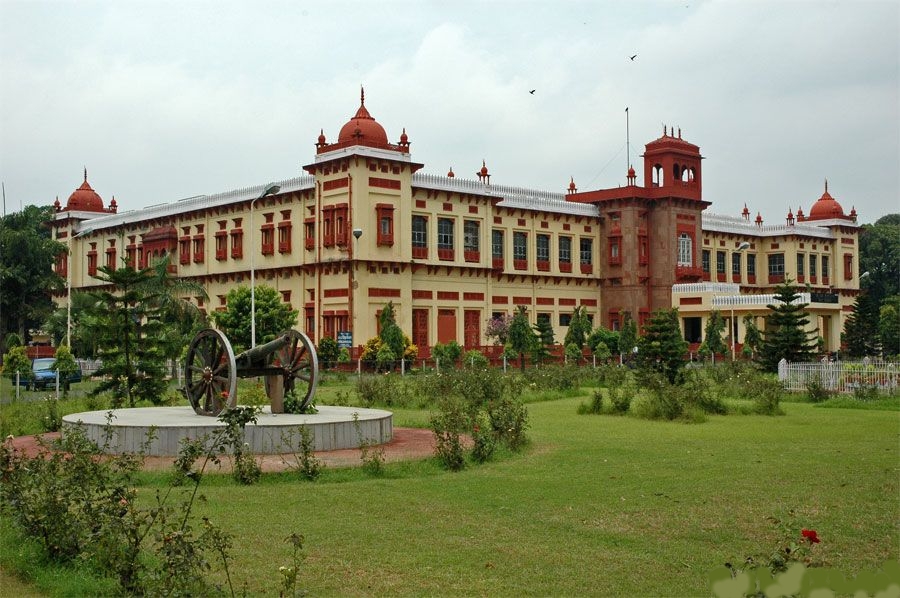
Patna Museum
Established in 1917, it imparts a scientific vision to history. Nearby Kumhrar displays the excavations of ancient Pataliputra.
Spiritual Heritage
Phulwari Sharif
A center of Sufi culture since the medieval times. It houses structures like Khanqah Mujeebia and the Shahi Sangi Masjid, built by Humayun in red sandstone.
Hajipur (Ancient Ukkacala)
A place where Lord Buddha gave discourses. It is legendary as the site where Buddha's closest disciple, Ananda, passed away in a ball of flames.
Culture & People
Patna is a cultural melting pot of the five regions of Bihar: Magadh, Bhojpur, Mithila, Vajj, and Ang. Residents are known for their family-oriented values and religious traditions.